Destination Deep-Dive / Polar
Why November is the Antarctic season nobody talks about
Most people book Antarctica for December and January — peak season, midnight sun, penguin chicks just starting to hatch. It's a good time to go. It is not, however, the only time to go, and for travellers who know what they're looking for, it may not even be the best time.
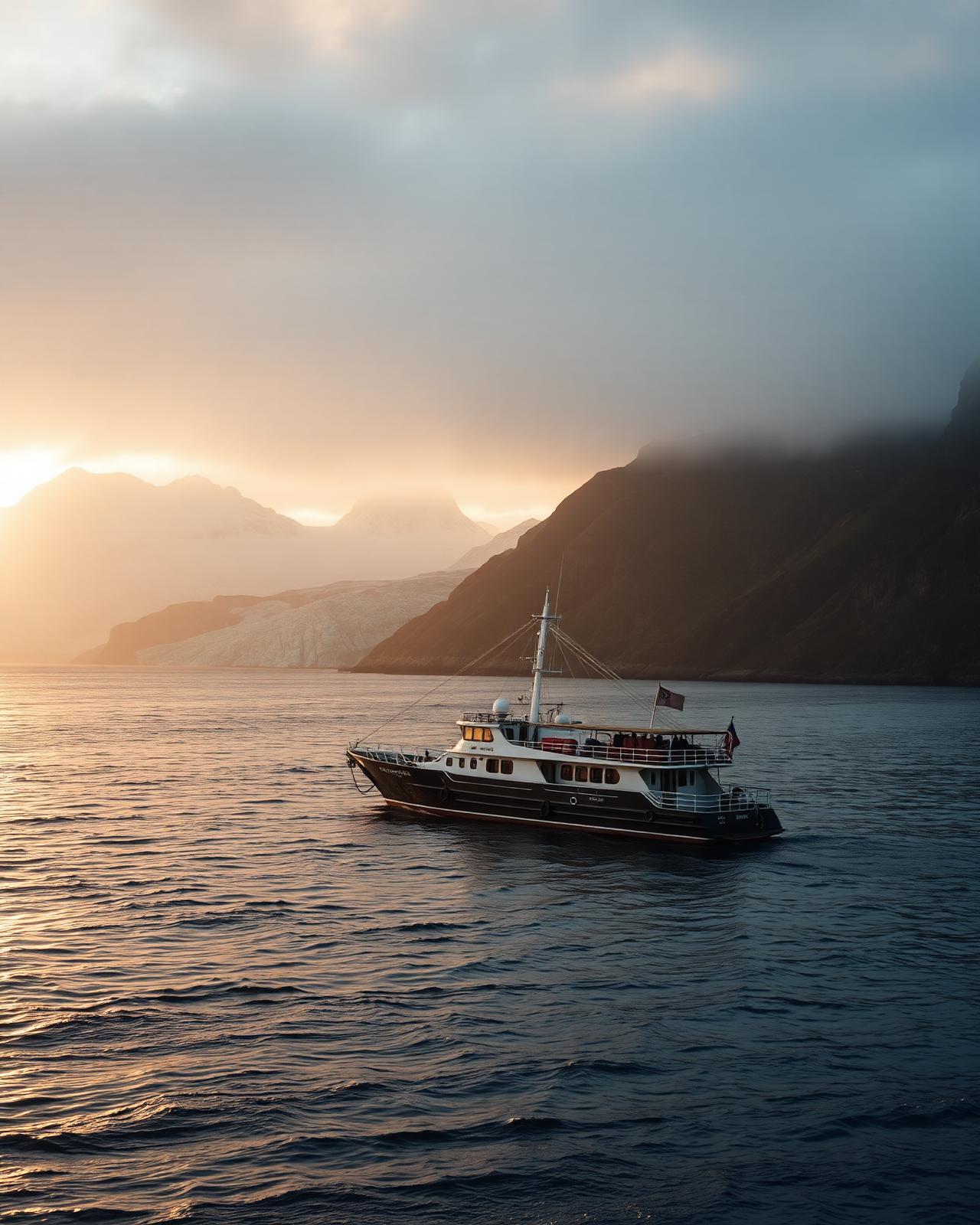
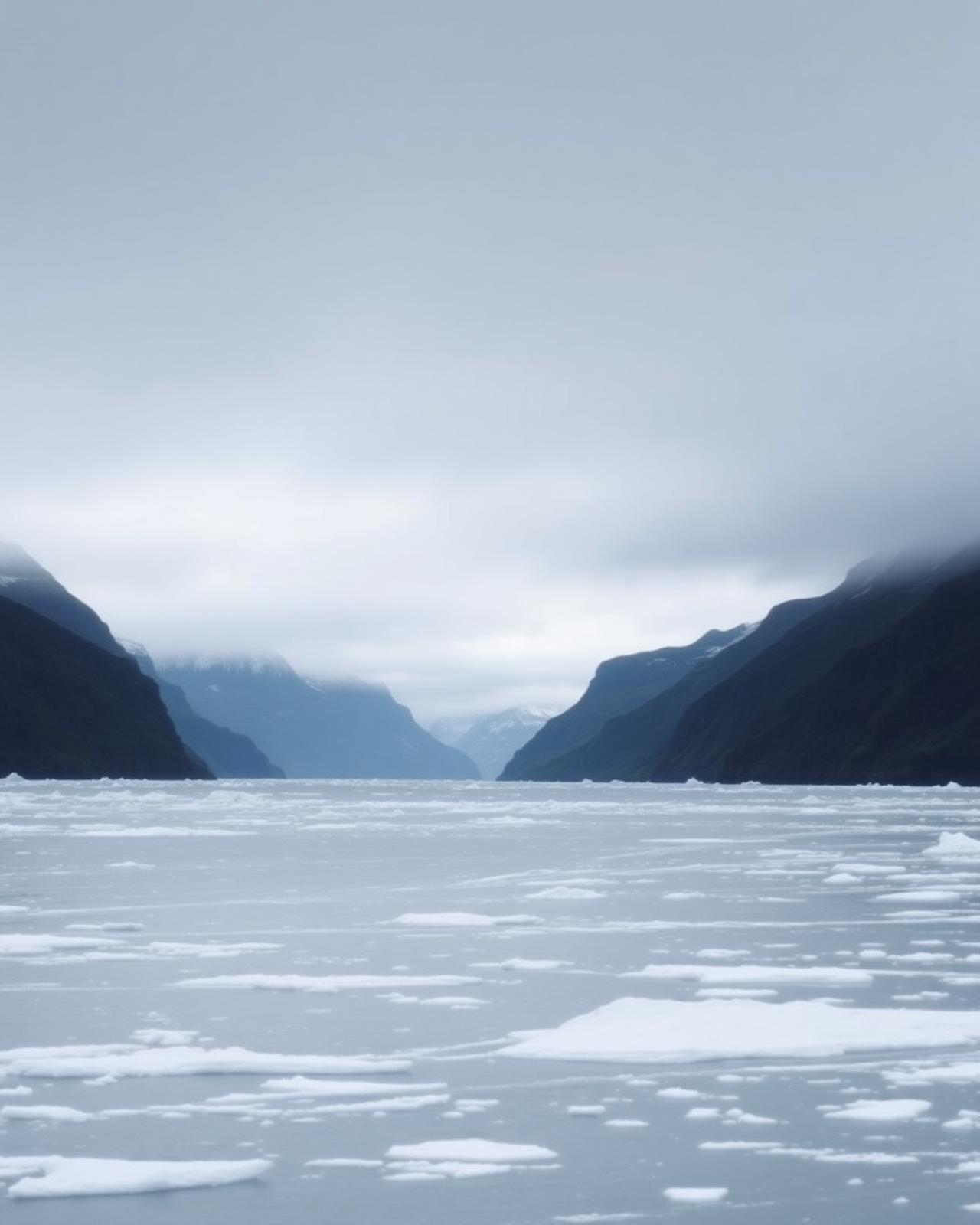
November is the continent waking up. The pack ice hasn't fully broken apart yet, which means ships can push into places that become inaccessible by January — deep into bays still rimmed with sea ice, past icebergs that haven't yet calved and drifted. The light is different too: lower sun, longer golden hours, none of the flat overhead glare of high summer. Photographers who know the season plan around this deliberately.
Wildlife-wise, November is courtship and nesting, not chick season — penguins in full display, skies busier with returning seabirds, the first elephant seal pups appearing on the beaches. It's a different kind of drama than January's, not lesser.
And then there's the practical case: fewer ships, fewer travellers, more room to actually experience a landing rather than queue for it. Expedition teams have more flexibility on itinerary because there's less competing ship traffic to route around.
None of this makes November "better" than the more popular months — it makes it a different trip, better suited to some travellers than others. If you've already done the classic Antarctic season, or if solitude and dramatic ice matter more to you than baby penguins, it's worth a serious look.
The detail that matters: not every ship runs a true November departure, and the ones that do fill early with photographers and repeat polar travellers who already know. If it's the trip you want, it's worth booking well ahead of the crowd that hasn't caught on yet.