Expedition Insight / Expedition Cruising
What actually makes a good expedition ship
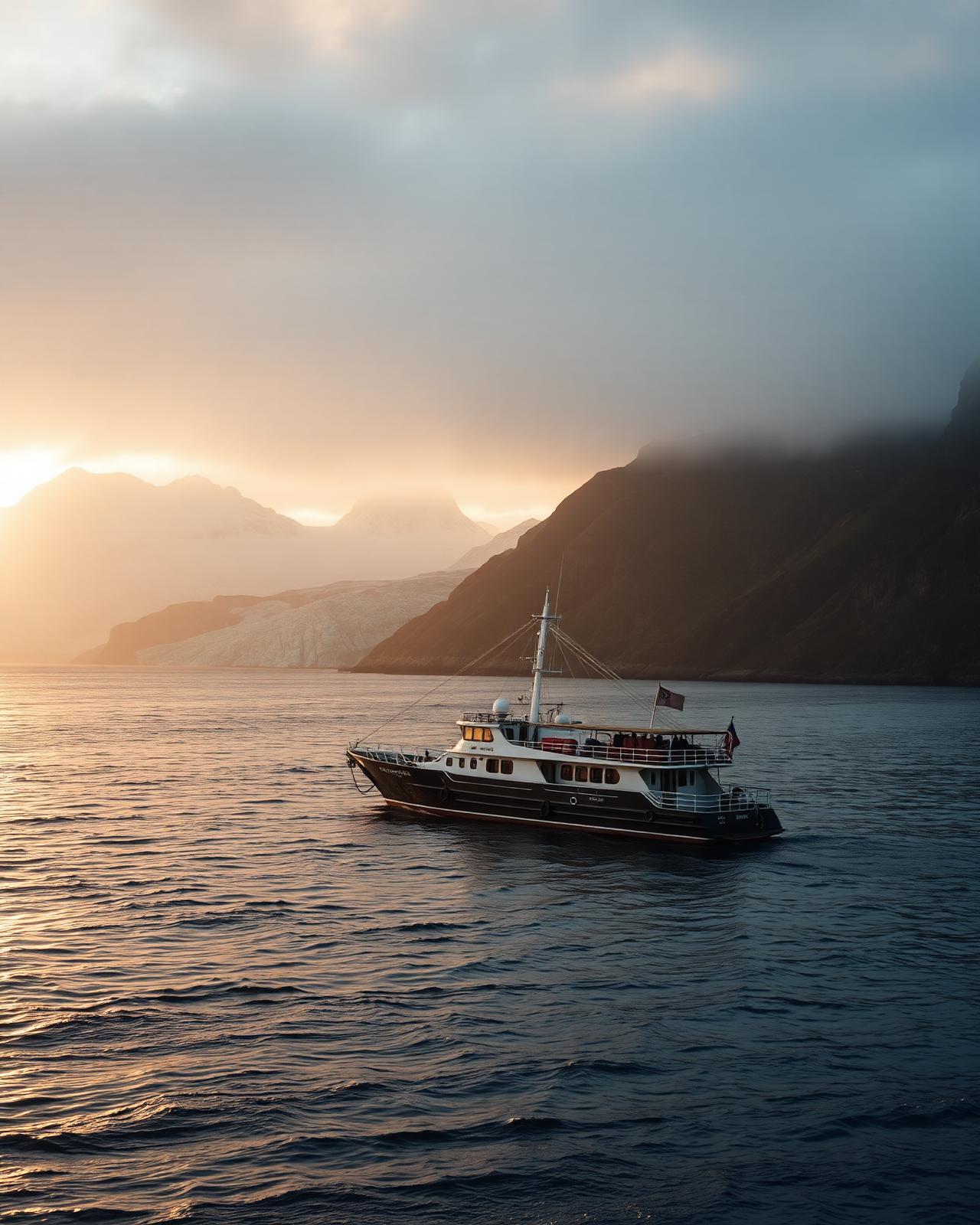
Star ratings don't mean much on an expedition ship. What matters is a shorter list of things that rarely make it into the marketing brochure.
Passenger count. This is the single biggest factor in the experience. Ships carrying under 200 passengers can land everyone, often in a single group, without splitting into shifts or missing weather windows. Above that number, expedition days start to be run on a schedule dictated by zodiac logistics rather than the moment itself. If landings are the point of the trip — and on an expedition, they usually are — this number matters more than cabin size or dining options.
Ice class. Not every "expedition ship" is actually built for ice. A proper polar-class hull opens up routes that a converted cruise ship simply can't attempt safely, which directly affects how far into the ice, or how late in the season, a ship can realistically go.
Expedition team quality. The naturalists, historians, and guides on board are doing more than giving lectures — they're reading conditions in real time and adjusting the day accordingly. A strong team is the difference between a itinerary followed rigidly and one that flexes toward whatever the wildlife and weather are actually doing that day.
Zodiac fleet and crew ratio. More zodiacs, launched faster, mean less time queuing at the gangway and more time actually ashore. It's a small operational detail with an outsized effect on how a landing day feels.
What to actually ask before booking: passenger capacity, ice classification, guide-to-guest ratio, and how the operator handles a landing that has to be cancelled due to weather. The answers to those four questions tell you more than any star rating will.